
Custom-Crafted Dental Crowns in Washington, DC
Custom dental crowns at Elite Prosthetic Dentistry. Dr. Marlin designs crowns in our on-site lab for a precise, natural-looking result.
Restoring Strength, Beauty, and Confidence One Custom Crown at a Time
What is a Dental Crown and When Do You Need One?
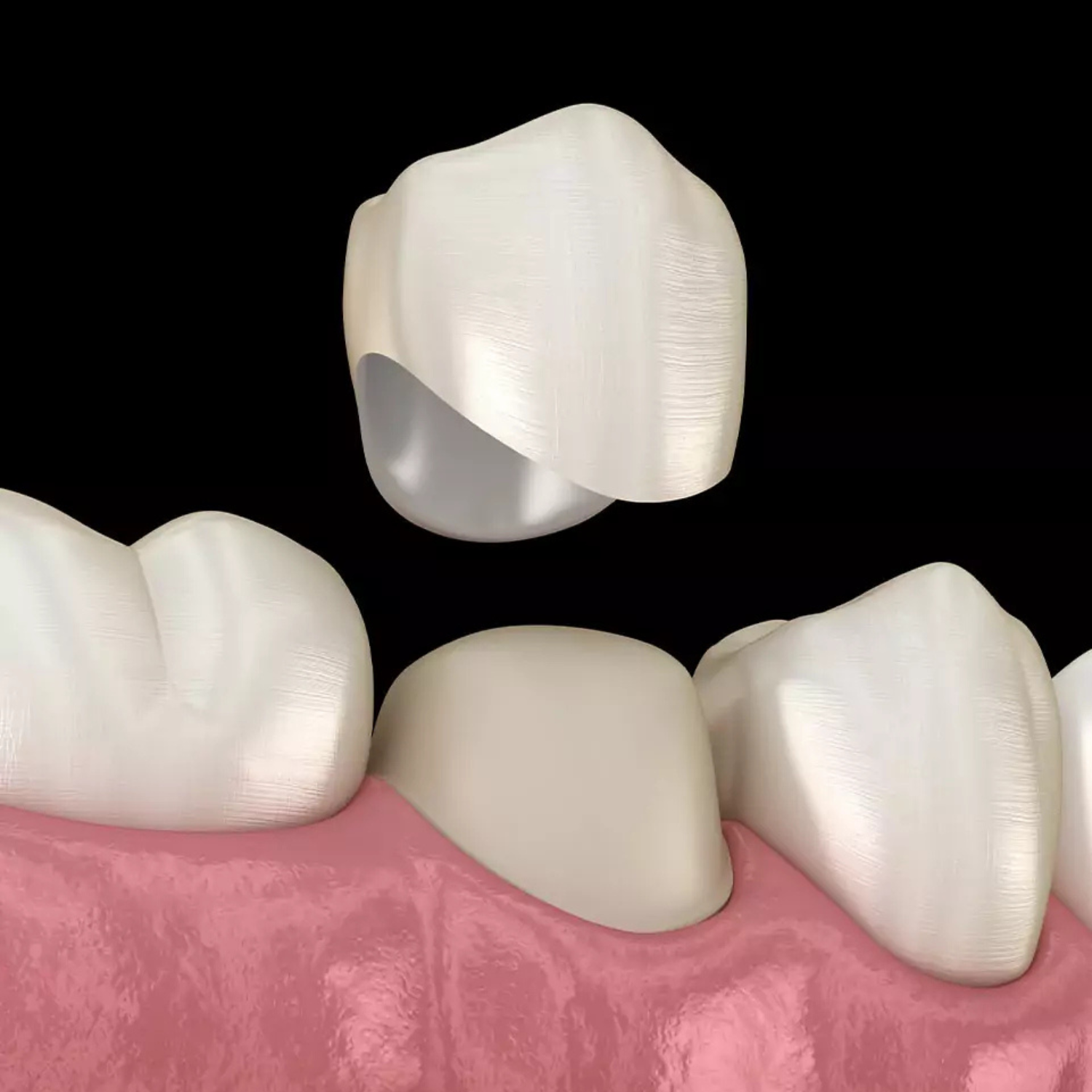
A dental crown is a custom-made cap that covers a damaged or weakened tooth to restore its shape, size, strength, and appearance. At Elite Prosthetic Dentistry in Washington, DC, Dr. Gerald Marlin designs and delivers handcrafted crowns that blend flawlessly with your natural smile. Whether you’ve experienced tooth decay, a fracture, or have an old, failing crown, a custom-crafted crown may be the solution to protect your tooth and restore long-term function. Crowns are also a key component of cosmetic dentistry and full mouth reconstruction plans.
How does a crown restore your tooth?
A crown encases the entire visible portion of your tooth above the gum line. It restores strength to a structurally compromised tooth, improves its appearance, and can be bonded to a dental implant when a tooth is missing entirely. Dr. Marlin uses ultra-precise preparation techniques and works closely with a master ceramist in his in-house lab to ensure a perfect fit and lifelike results.
What makes our crowns different?
Unlike mass-produced or outsourced restorations, every crown Dr. Marlin places is fully customized for your bite, aesthetics, and long-term durability. We carefully match the color and translucency to surrounding teeth and use only high-quality ceramic, porcelain-fused-to-metal (PFM), or zirconia materials.
Patients often come to us when they’ve had a poorly fitted or short-lived crown placed elsewhere and are looking for a superior, lasting solution.
According to the American College of Prosthodontists, a crown can help preserve natural tooth structure and extend the life of a tooth by decades when done properly.
How long do crowns last?
When expertly designed and maintained with regular hygiene visits and good at-home care, your crown can last 15 to 25 years or longer. Our patients often report decades of wear thanks to the precision fit and high-strength materials Dr. Marlin uses.
When Is a Crown Necessary
A dental crown becomes necessary when a tooth has lost significant structural integrity. If a tooth has lost more than 50% of its natural structure due to decay, fracture, or previous filling material, a crown is typically the recommended restoration. A crown prevents further tooth damage and restores the tooth’s ability to function normally in your bite.
Teeth with extensive decay, root canal treatments, or large previous restorations are at particular risk of fracture and often benefit from crown protection. In fact, teeth that have undergone root canal therapy are significantly more likely to fracture without a crown, sometimes years after the root canal treatment. A crown provides protective coverage that extends the life of the treated tooth indefinitely.
Crowns are also used to cover dental implants, creating a lifelike replacement for missing teeth. When teeth are damaged from trauma or accidents, crowns can restore their appearance and function. Crowns can correct bite problems and worn teeth that have become shorter than normal due to grinding or wear. For patients who combine crowns with porcelain veneers, the result is a comprehensive smile makeover that transforms the entire visible smile.
Crown Material Selection
The material you choose for your crown affects its appearance, strength, durability, and cost. Dr. Marlin offers several options, each with distinct advantages.
All-Ceramic Crowns: These are made entirely of ceramic material without any metal base. All-ceramic crowns are the most esthetic option because ceramic transmits light like natural tooth enamel. Dr. Marlin uses high-strength ceramic materials that are also durable and long-lasting. All-ceramic crowns are ideal for front teeth where esthetics are most important.
Porcelain-Fused-to-Metal (PFM): These crowns have a metal base with a porcelain veneer over it. The metal base provides excellent strength, while the porcelain provides a natural appearance. PFM crowns are very durable and have been used successfully for decades. However, the metal base can sometimes show at the gum line, particularly if gum recession occurs over time.
Zirconia: This is a tooth-colored ceramic material that is stronger than traditional porcelain. Zirconia crowns offer excellent esthetics and strength. They’re particularly useful for back teeth where chewing forces are greater. The material is biocompatible and resists staining.
The Crown Preparation Process
When a crown is necessary, Dr. Marlin carefully prepares your tooth, removing decay and creating a shape that the crown will fit over. The amount of tooth structure removed is minimal, preserving as much natural tooth as possible. This is one of the advantages of visiting a prosthodontist, whose training emphasizes minimal invasive preparation.
An impression is taken, either through traditional methods using putty material or through digital scanning. This impression provides the exact dimensions and contours needed for the crown fabrication. A temporary crown may be placed to protect the tooth while the permanent crown is being made.
The In-House Lab Advantage
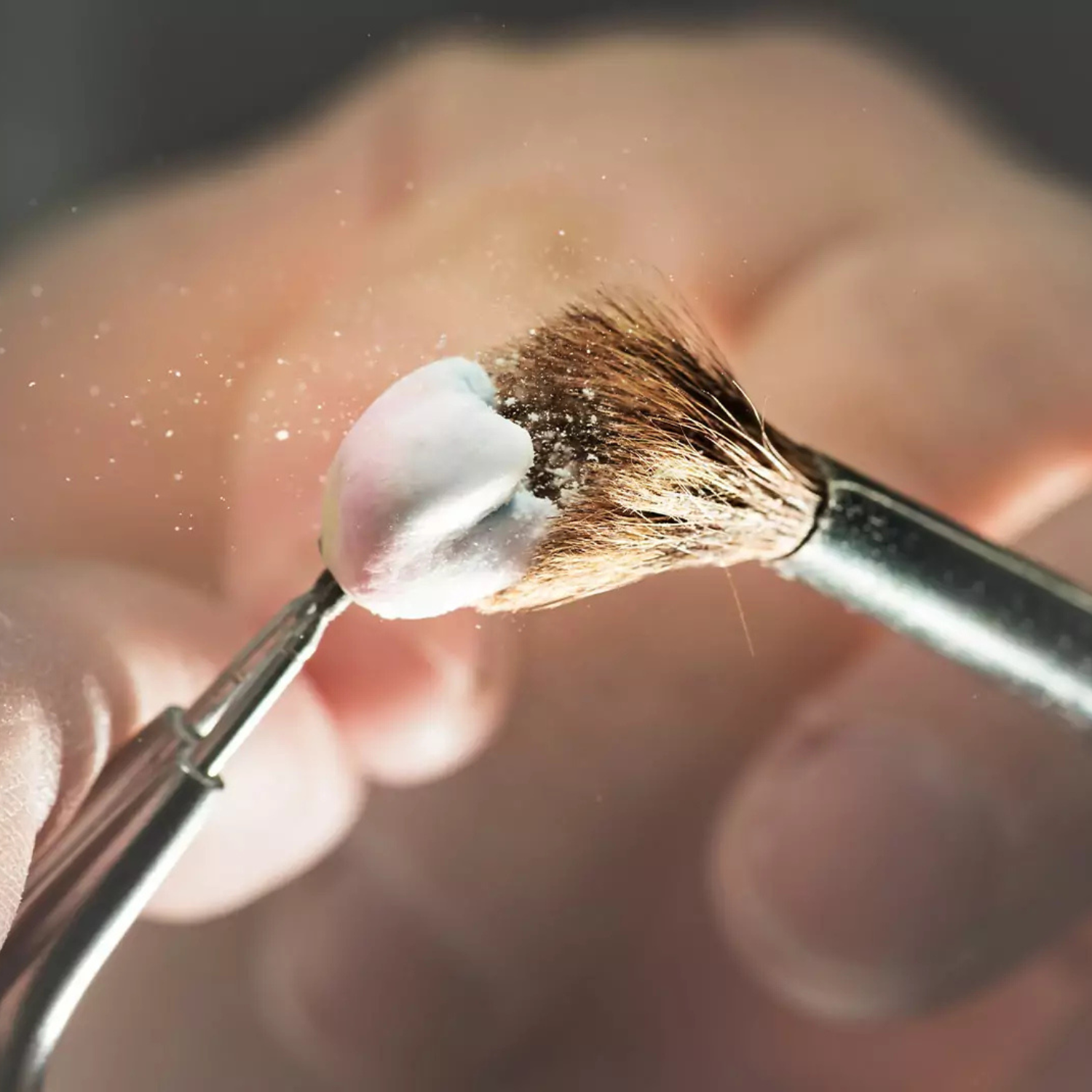
The crown you receive is crafted in our in-house laboratory by a master ceramist. This direct relationship between Dr. Marlin and the lab technician ensures that every detail of your restoration meets exacting standards. Dr. Marlin can communicate precisely about shade, contours, and contacts. If adjustments are needed, they can be made immediately rather than waiting for items to be shipped back and forth.
Our lab uses the highest-quality materials and the most advanced techniques. Computer-aided design and milling technology are combined with hand-crafting to create restorations that are both technically perfect and artistically beautiful. The result is a crown that functions perfectly and blends seamlessly with your natural teeth.
Try-In and Placement
When your crown is ready, you’ll return for a try-in appointment. Dr. Marlin checks the fit, bite, and appearance. He ensures that your bite is properly balanced so that the crown isn’t receiving more force than it should. He checks that the contact with adjacent teeth is correct so that floss flows naturally between teeth.
If any adjustments are needed, Dr. Marlin can make them immediately. Once everything is perfect, the crown is permanently cemented to your prepared tooth. You’ll receive care instructions and should be able to eat normally almost immediately.
What Is the Process Like
Step 1: Evaluation and Preparation
Dr. Marlin evaluates your tooth and discusses options. If a crown is recommended, he prepares the tooth with minimal invasion, creating an ideal shape for the crown to fit over. An impression is captured using digital technology or traditional methods.
Step 2: Temporary Crown
A temporary crown protects your tooth while the permanent crown is being crafted. You can eat and drink normally, though you should avoid very sticky foods that might dislodge the temporary crown.
Step 3: Lab Crafting
Our master ceramist crafts your crown in our in-house laboratory. Every detail is considered, from the shade and translucency to the anatomical contours and contacts.
Step 4: Try-In and Adjustment
When ready, the permanent crown is tried in and carefully checked. Any adjustments are made to ensure perfect fit and bite.
Step 5: Permanent Cementation
Once perfect, the crown is permanently cemented to your tooth. You’ll receive care instructions and can resume normal eating and speaking.
Longevity and Maintenance
When expertly designed and maintained with regular hygiene visits and good at-home care, your crown can last 15 to 25 years or longer. Some of our patients have maintained crowns for 30 years or more. The longevity of your crown depends on the material selected, the preparation done, your bite forces, and your oral hygiene practices.
To maximize the life of your crown, practice excellent oral hygiene, avoid chewing on hard objects, and wear a nightguard if you grind your teeth or suffer from TMJ dysfunction. Have the crown professionally cleaned and checked periodically. If the crown ever fractures or fails, it can be replaced with a new one.
Why Prosthodontist-Crafted Crowns Are Superior
A prosthodontist’s extensive training in restorative dentistry means Dr. Marlin approaches crowns with meticulous attention to both function and esthetics. He considers the relationship between the crown and your entire smile. He understands the nuances of different materials and how they behave over time. His crowns are known for their precise fit, natural appearance, and longevity.
Many patients have crowns made elsewhere and come to Dr. Marlin for replacement when those crowns fail. The superior quality of his work, combined with the advantage of our in-house laboratory, results in restorations that last significantly longer than those placed in typical dental offices.
Crowns as Part of Comprehensive Care
Dental crowns play a central role in many of our specialized treatment plans. They restore dental implants placed through precision implant placement techniques. They are essential components of full mouth reconstruction plans and smile makeovers. For patients who grind their teeth or suffer from TMJ dysfunction, crowns can rebuild worn tooth structure and correct bite alignment. Sedation dentistry is available for patients requiring multiple crown preparations in a single visit.
Frequently Asked Questions
When is a crown recommended over a filling?
If the tooth has lost more than 50% of its structure or has cracks, a crown is typically recommended over a filling for long-term stability.
Do crowns feel like natural teeth?
Yes. Properly placed crowns feel and function just like your natural teeth. Most patients forget they even have one after a few days.
Can you replace an old crown?
Absolutely. Dr. Marlin often replaces old, worn-out, or mismatched crowns with beautiful, updated restorations.
Why not get a same-day crown?
While same-day crowns offer speed, they often compromise fit, esthetics, or strength. Dr. Marlin prioritizes long-term success over convenience.
What determines the cost of a custom crown?
Cost varies based on material selection, complexity of the case, and the specific tooth being restored. We’ll provide transparent pricing information during your consultation.
Related Resources
- Tired of waiting weeks for a crown?
- Browse patient success stories
- Read patient reviews
- View our smile gallery
Serving Patients From
Maryland
Bethesda (Dental Bridges) | Bethesda (Dental Crowns) | Bethesda (Emax Crowns) | Bethesda (Full Mouth Crowns) | Bethesda (Temporary Crowns) | Bethesda (Zirconia Crowns) | Cabin John | Chevy Chase | Kensington | North Bethesda | Potomac | Rockville | Silver Spring
Washington, DC
Cleveland Park | Dupont Circle | Foxhall | Georgetown | Kalorama | Palisades | Spring Valley | Tenleytown | Woodley Park
Virginia
Your Best Smile Is Within Reach
Schedule a consultation with Dr. Gerald Marlin to discuss your treatment options and take the first step toward a healthier, more confident smile.
Related Patient Success Stories
Explore similar patient success stories demonstrating our expertise in advanced prosthetic dentistry.
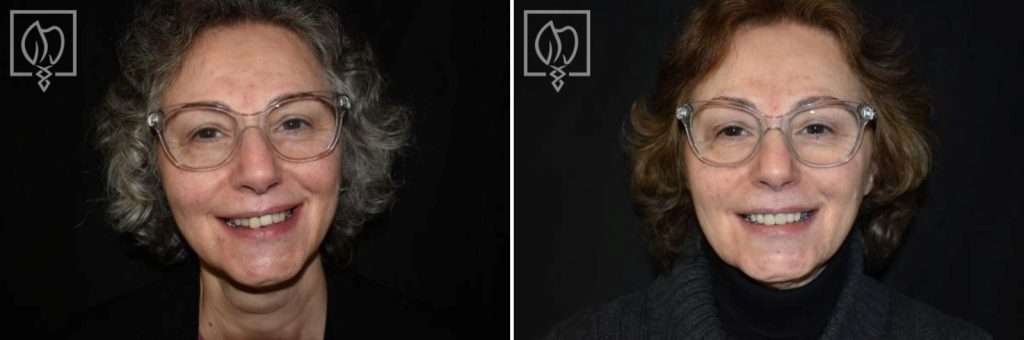
Temporary Crowns Restore Patient's Smile in Just One Day with an Immediate Smile Makeover
A patient from Potomac, Maryland, came to Elite Prosthetic Dentistry with the chief complaint of pain from a failing dental implant and its significant impact on her appearance.
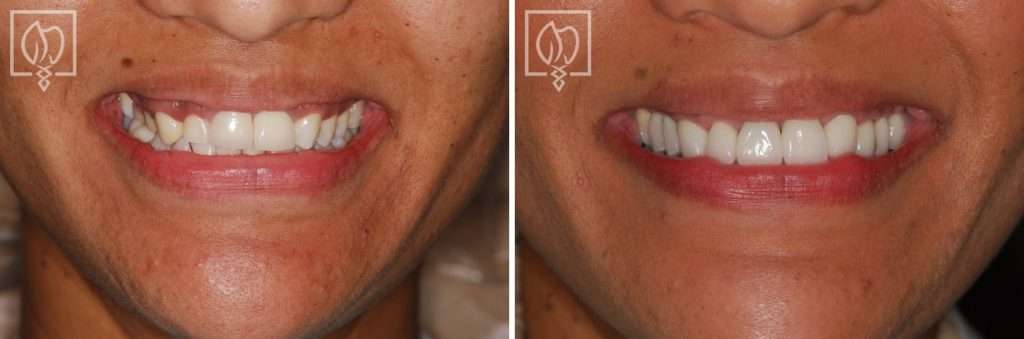
Multi-Faceted Treatment for Patient Unhappy With Her Artificial-Looking Crowns, Teeth and Gums
Many patients come to Elite Prosthetic Dentistry unhappy with the appearance of their smile. However, this particular patient presented with multiple interconnected problems that together created a smile she found deeply unsatisfying.
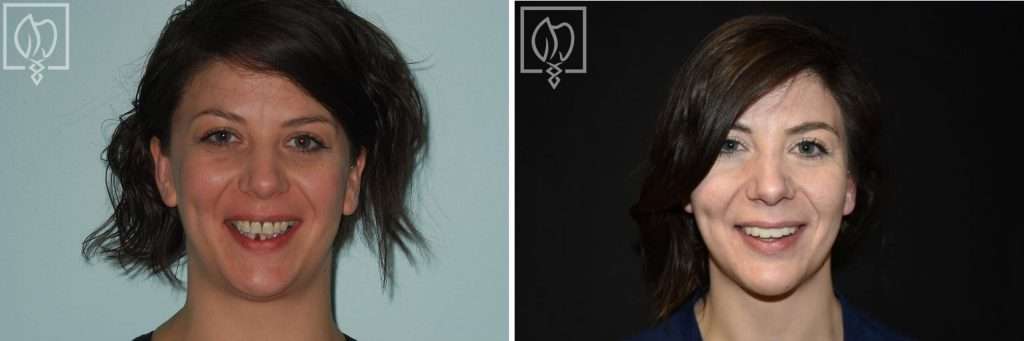
Salvaging Ms. N’s Severely Broken-Down Upper and Lower Teeth from Gum and Bone Disease
Many people in the U.S. suffer from extensive periodontal disease characterized by significant bone loss and shrinkage of the gum tissue. This condition can begin at a very young age and worsen quickly due to hereditary factors and lack of early diagnosis by their dentist.
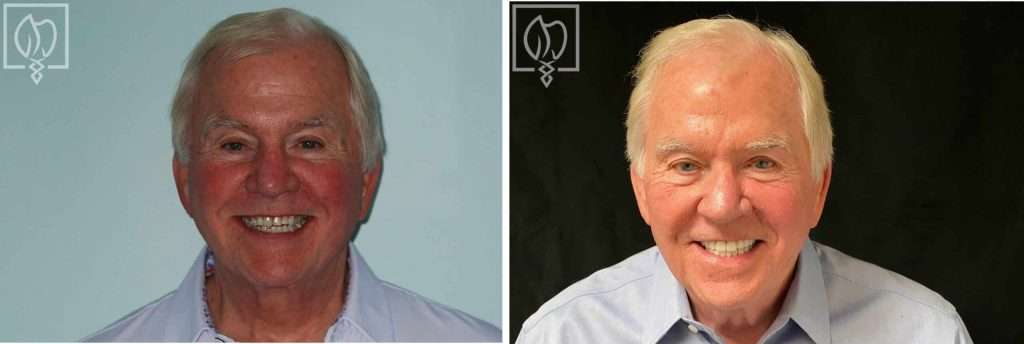
A Smile Transformation in Just Four Months: A Patient’s Dental Crown Restoration for a TV Series
A patient with dental crowns that were in poor shape was going to appear on a streaming video series on a major TV network that was scheduled to begin filming soon. Our patient, John, an author about to embark on a book tour, was anxious as his teeth were not up to his standards to appear on television.
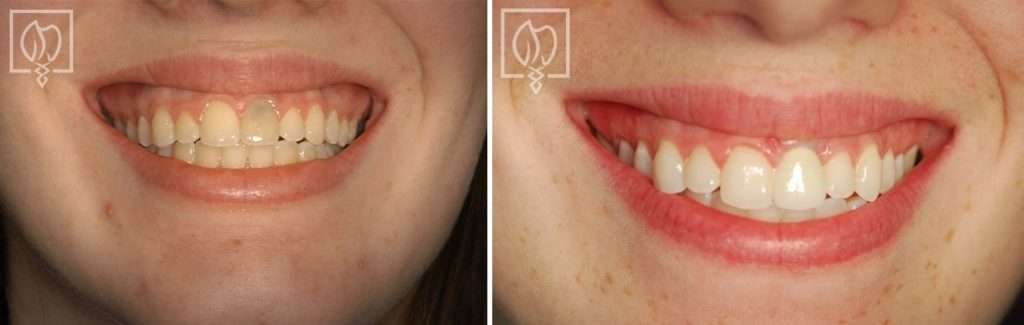
Replacing a Discolored Front Tooth with a Precision Placed Implant
Some of the most challenging restorations occur when fabricating an anterior crown to fit on an implant. Not only does one have the difficulty of matching the single front tooth to the other ones in the high visibility zone, but the dentist must also ensure the position of the underlying implant is precise through accurate preplanning and placement.
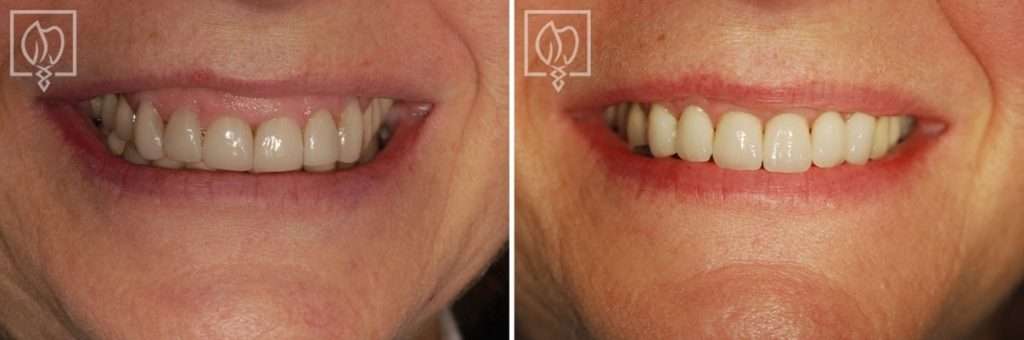
Patient Was Dissatisfied With Her 'Gummy' Smile
Excessive gingival tissue, commonly referred to as a "gummy smile," can significantly impact the appearance of a person's smile and their self-confidence. When someone smiles and a large amount of gum tissue is visible above the teeth, it can create the perception that the teeth are too small or short, even when they are actually normal size.
Custom-Crafted Dental Crowns in Washington, DC Near You
Dr. Gerald Marlin provides custom-crafted dental crowns in washington, dc services to patients throughout the Washington, DC metropolitan area. Select your community to learn more.
Ready to Transform Your Smile?
With 40+ years of experience and 3,900+ dental implants placed, Dr. Gerald Marlin delivers results that last. Schedule your consultation today.