
CAD/CAM Dental Restorations in Washington, DC
CAD/CAM dental restorations at Elite Prosthetic Dentistry. Dr. Marlin uses digital precision for crowns, bridges, and implant restorations.
Modern Technology Meets Master Craftsmanship for Precise, Predictable Restorations
What are CAD/CAM restorations and how do they work?
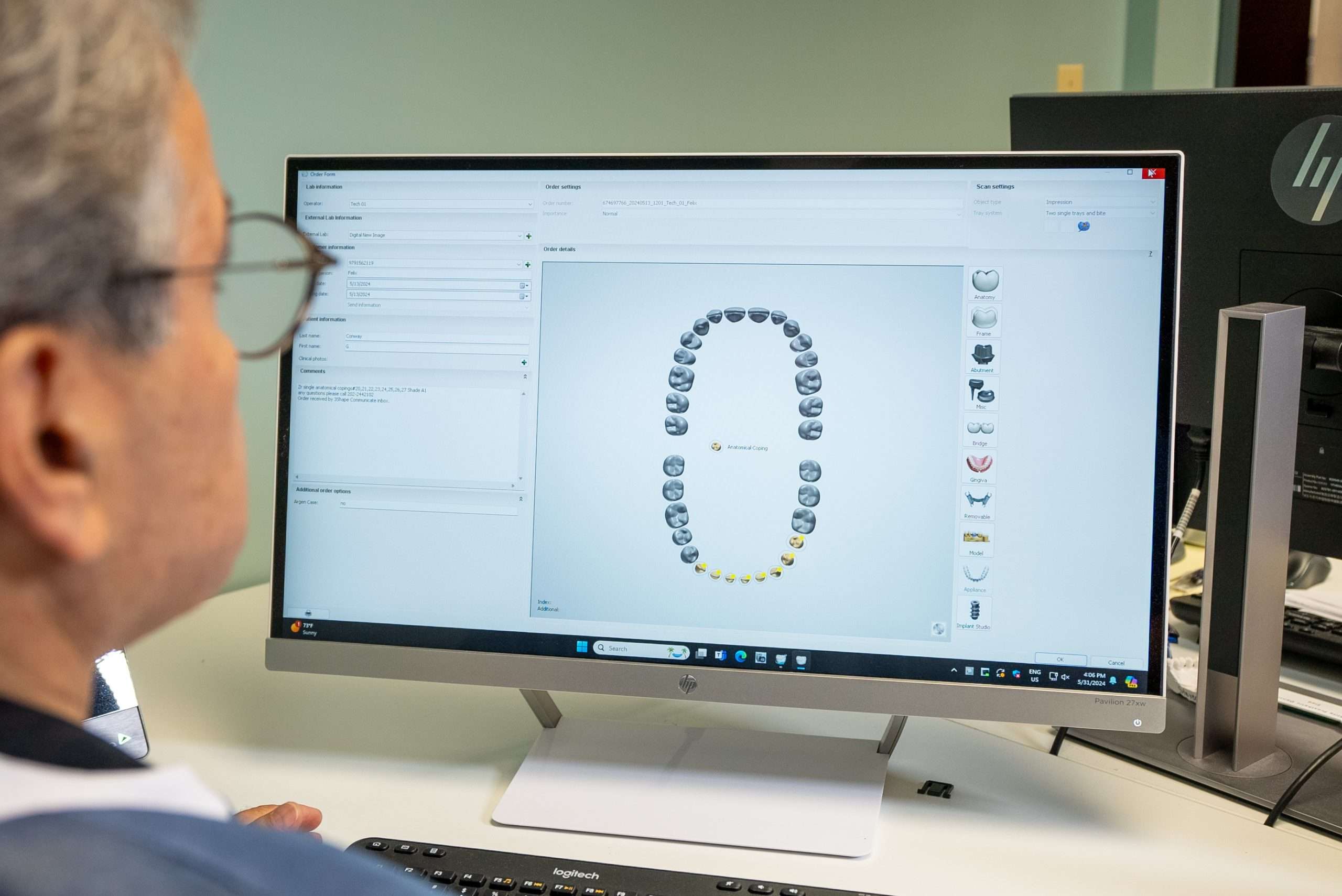
CAD/CAM stands for Computer-Aided Design and Computer-Aided Manufacturing. This advanced technology is used to digitally scan, design, and mill custom dental restorations such as crowns, inlays, onlays, and veneers. At Elite Prosthetic Dentistry in Washington, DC, Dr. Gerald Marlin uses CAD/CAM systems as part of a hybrid workflow that ensures both high precision and artisan-level detailing.
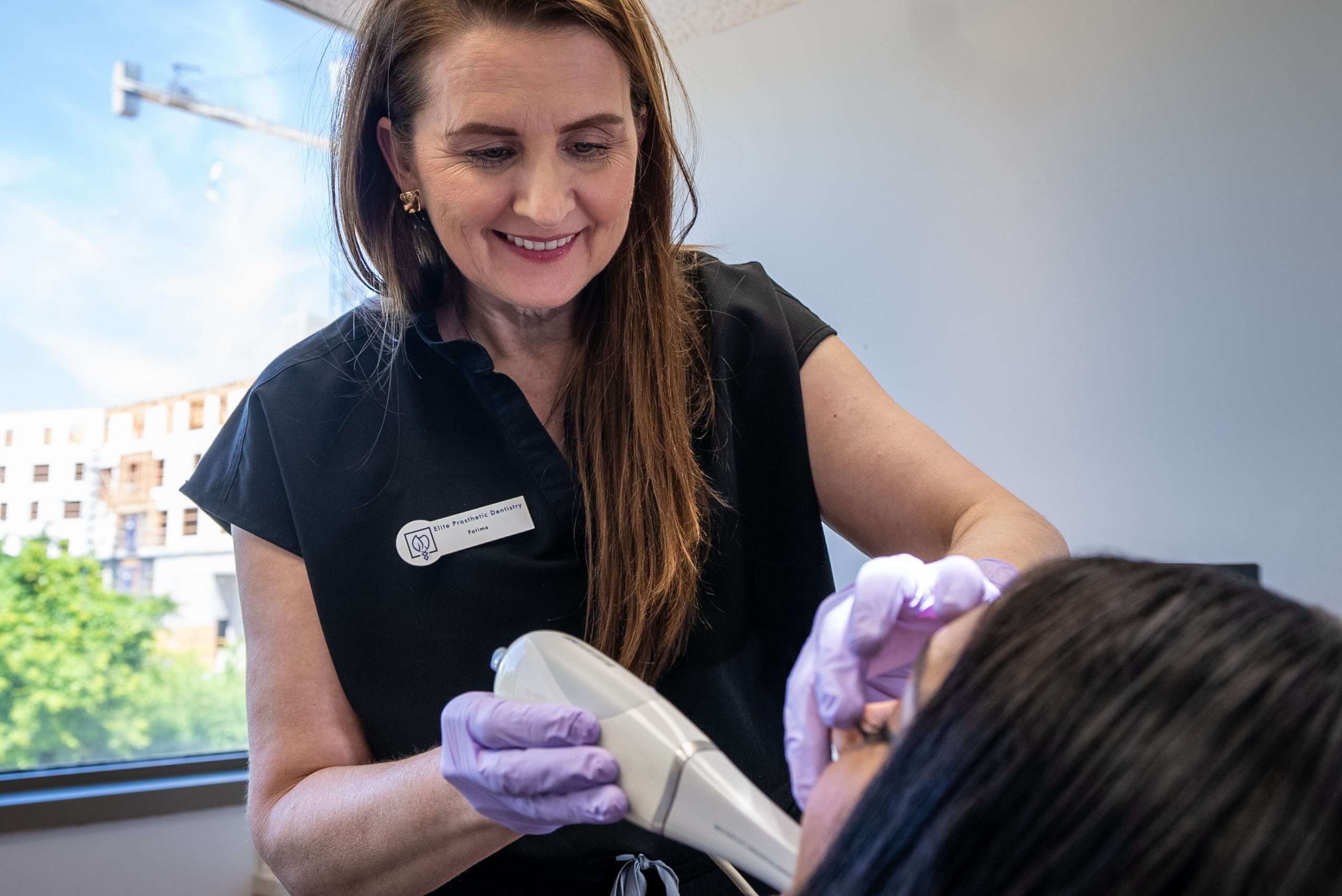
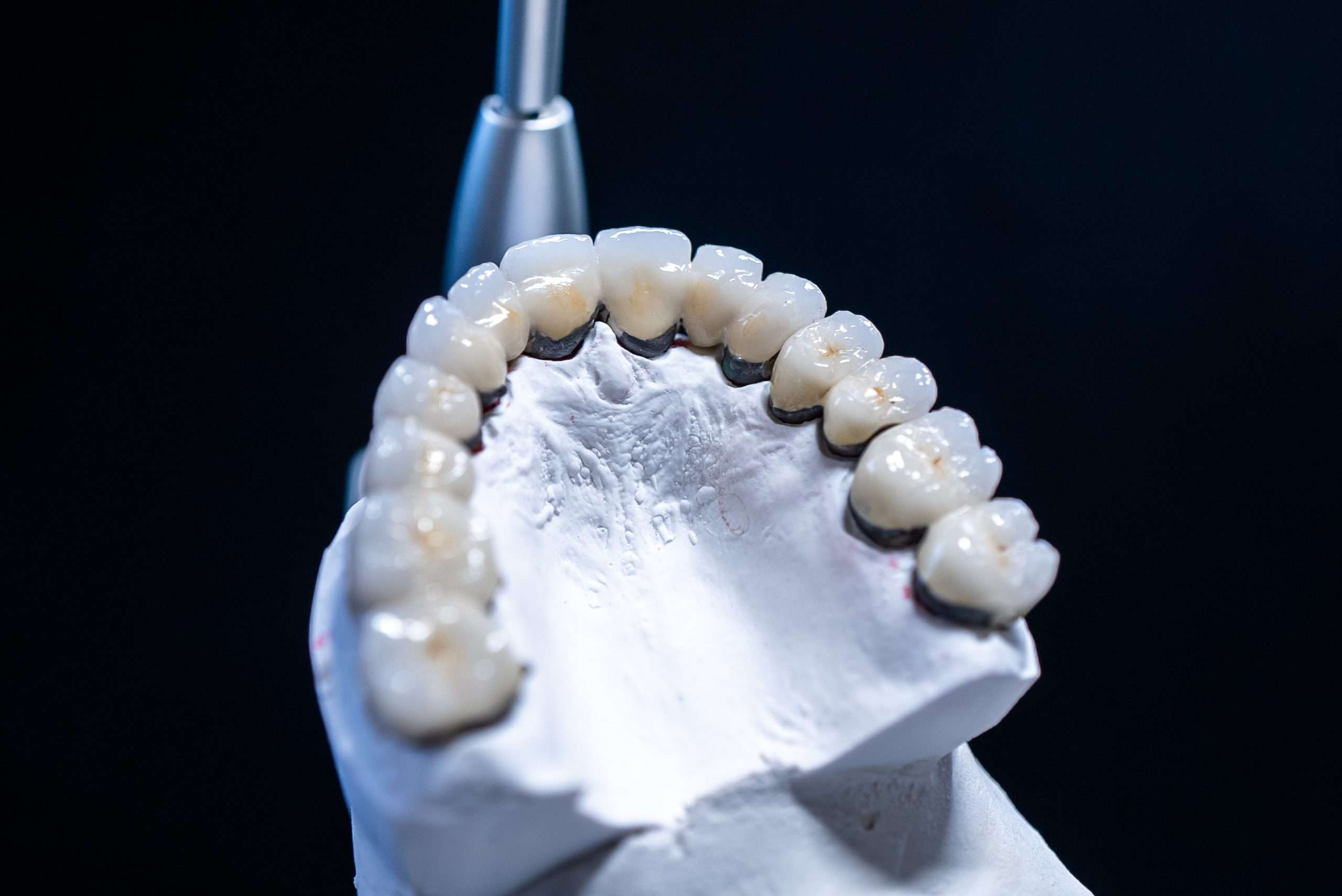
The CAD/CAM process begins with a digital scan of your tooth and the surrounding tissue. Unlike traditional impression materials, which can distort as they set and during handling, digital scans capture your anatomy with extraordinary accuracy. The scan is converted into a three-dimensional computer model that can be viewed from every angle and modified as needed. Dr. Marlin reviews this model and makes design decisions about the shape, contours, and contacts of your restoration. The design is then sent to a milling unit that carves the restoration from a solid block of high-quality material. This process happens with precision tolerances measured in fractions of a millimeter.
With CAD/CAM, restorations are crafted with incredible accuracy, often reducing the need for multiple adjustments and remakes. However, unlike same-day systems that sacrifice customization for speed, Dr. Marlin integrates CAD/CAM into a multi-step, lab-driven approach that results in both beauty and function. This hybrid approach leverages the precision of digital scanning and milling while incorporating the artistic expertise of his in-house ceramic lab team and the clinical refinement that comes from decades of experience.
The Advantages of Digital Dentistry
The shift from traditional analog impressions to digital scanning represents a significant advancement in restorative dentistry. Digital scans eliminate many of the variables that can compromise accuracy with traditional impression materials. There is no setting time to account for, no distortion from undercuts or difficult access areas, and no shrinkage that occurs as impression materials set and cure. The digital file can be backed up, archived, and replicated perfectly at any point in the future, making it an invaluable record of your tooth anatomy.
Beyond accuracy, digital workflows enhance communication between the clinical team and the laboratory. Dr. Marlin can annotate the digital model with notes about your esthetic preferences, bite considerations, or specific clinical concerns. The lab team can see exactly what Dr. Marlin sees and design accordingly. If modifications are needed after the initial milling, the digital file can be adjusted and the restoration remilled, reducing waste and improving efficiency.
Additionally, the digital design process allows for rapid prototyping and adjustments. If a restoration doesn’t quite fit Dr. Marlin’s specifications, the design can be modified and a new restoration quickly fabricated, rather than spending weeks communicating back and forth with an off-site laboratory as would occur with traditional methods.
Are CAD/CAM restorations better than traditional ones?
Not necessarily “better,” but they are often more precise. The digital scan captures fine details that may be missed by conventional impressions. Dr. Marlin combines this data with his decades of clinical experience and the artistic touch of his in-house lab team to create restorations that are engineered to last and crafted to look natural.
This balanced approach avoids the “cookie-cutter” look often associated with rushed, chairside CAD/CAM crowns. Generic, same-day systems apply uniform design principles to every restoration, with limited ability to customize for individual patient anatomy and esthetic desires. In contrast, Dr. Marlin’s approach uses digital precision as a foundation but layers on individualized artistry and clinical judgment that ensures your restoration complements your specific features and matches the characteristics of your natural teeth.
The American Dental Association recognizes CAD/CAM dentistry as a valuable tool in delivering more accurate and efficient restorative outcomes when used by trained professionals. The key phrase here is “when used by trained professionals.” The technology is only as good as the clinical decision-making and artistry applied to it.
Which restorations can be created with CAD/CAM?
- Crowns for both single teeth and multiple teeth
- Inlays and onlays for conservative restoration of damaged molars
- Veneers for cosmetic enhancement and minimal tooth reduction
- Bridges when designed digitally before laboratory fabrication
- Implant-supported crowns and bridges
While same-day placement is possible in some offices, Dr. Marlin uses this technology not to speed things up, but to improve long-term accuracy and fit. When a restoration needs to fit perfectly, function optimally, and look completely natural, rushing the process is never in your best interest. The CAD/CAM technology allows Dr. Marlin to be precise and efficient, but not at the expense of quality and longevity.
What materials are used?
Our CAD/CAM systems work with a variety of high-performance materials, each selected for specific clinical situations:
- Zirconia: an exceptionally strong, white ceramic ideal for posterior teeth and situations requiring maximum durability
- Lithium disilicate (e.max): a crystalline glass ceramic offering excellent esthetics and strength, suitable for anterior and posterior teeth
- Hybrid ceramics: advanced materials combining the strength of zirconia with the esthetics of traditional porcelain
- Feldspathic porcelain: the most esthetic option, often layered in the laboratory after digital milling to achieve superior natural translucency and characterization
The choice of material depends on the location of the tooth, your bite force characteristics, esthetic requirements, and the specific clinical situation. Dr. Marlin will discuss which material is most appropriate for your restoration during your consultation.
Why Digital Workflows Matter for Long-Term Success
The precision afforded by CAD/CAM scanning and milling translates directly to better long-term outcomes. Restorations that fit precisely require less adjustment, seal better at the margins, and function more harmoniously with your bite. These factors reduce complications like cement washout, secondary decay, and premature failure. Over the years of wear and normal use, a precisely fabricated restoration maintains its integrity better than one that was hastily produced.
The digital record also means that if your restoration ever needs to be adjusted, replaced, or matched in the future, Dr. Marlin has the exact specifications. This level of documentation and precision workflow creates a comprehensive treatment record that benefits you throughout your lifetime. Whether you need a single crown, a set of cosmetic veneers, or restorations as part of a full mouth reconstruction, the digital record ensures consistency across every phase of treatment.
Is a CAD/CAM restoration right for me?
CAD/CAM technology can benefit most patients who need a restoration. The question isn’t whether the technology can be used, but rather whether the specific workflow and material choices are optimal for your clinical situation. Dr. Marlin evaluates each case individually, considering factors including the tooth’s location, your esthetic goals, bite force, and clinical complexity. In some situations, the hybrid workflow using CAD/CAM design with traditional laboratory hand-finishing may be ideal. In others, a fully digital milling approach may be perfect. The right choice depends on your unique circumstances.
Where CAD/CAM Technology Makes a Difference
Our digital design and milling capabilities enhance outcomes across virtually every restorative service we offer. From precision implant placement surgical guides to custom-crafted crowns, porcelain veneers, and full mouth reconstruction prostheses, CAD/CAM technology ensures accuracy at every step. Even denture frameworks and implant-supported prostheses benefit from digital precision. All fabrication takes place in our in-house laboratory, giving Dr. Marlin complete quality control.
Frequently Asked Questions
Can I get a same-day crown with CAD/CAM?
No. While some offices use CAD/CAM for same-day work, Dr. Marlin uses it as part of a comprehensive workflow for better esthetics and durability.
Are digital scans more accurate than traditional impressions?
In most cases, yes. Digital scans eliminate distortions that can occur with traditional materials.
Will I need a temporary restoration while waiting for my permanent one?
Yes, because our lab customizes the final restoration beyond what’s possible with one-visit machines. We provide high-quality temporaries for comfort and appearance.
Does CAD/CAM technology cost more?
Not necessarily. The cost depends on the case and material used, but our goal is long-term value, not just speed.
Can veneers and cosmetic crowns benefit from CAD/CAM?
Absolutely. Veneers and crowns designed with CAD/CAM technology offer exceptional esthetics when combined with expert artistry.
Your Best Smile Is Within Reach
Schedule a consultation with Dr. Gerald Marlin to discuss your treatment options and take the first step toward a healthier, more confident smile.
Related Patient Success Stories
Explore similar patient success stories demonstrating our expertise in advanced prosthetic dentistry.
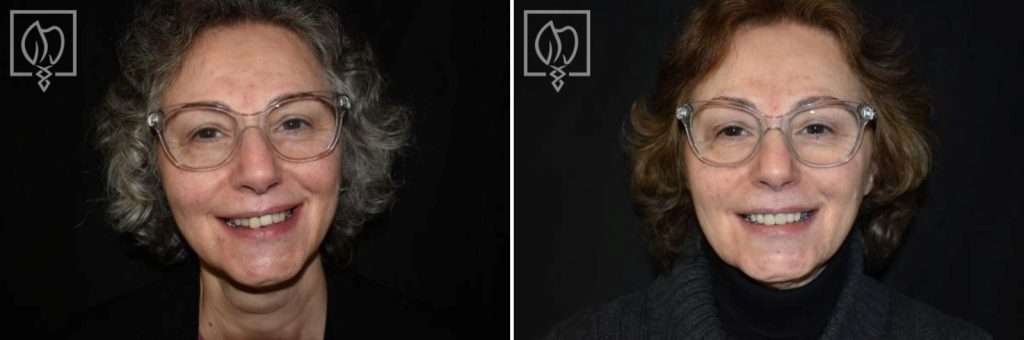
Temporary Crowns Restore Patient's Smile in Just One Day with an Immediate Smile Makeover
A patient from Potomac, Maryland, came to Elite Prosthetic Dentistry with the chief complaint of pain from a failing dental implant and its significant impact on her appearance.
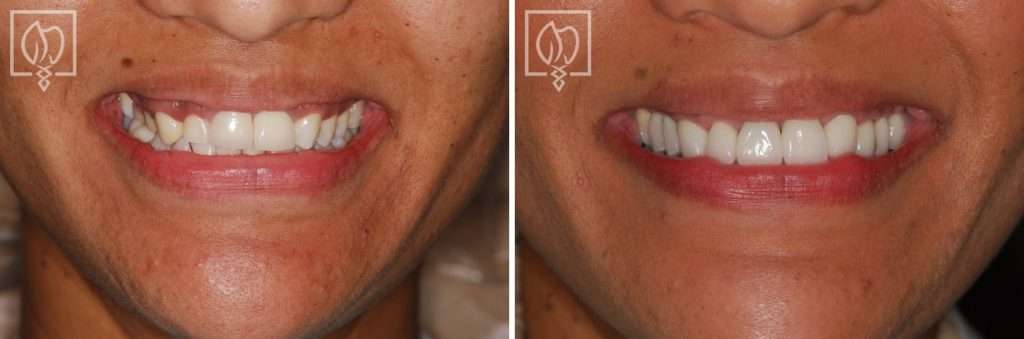
Multi-Faceted Treatment for Patient Unhappy With Her Artificial-Looking Crowns, Teeth and Gums
Many patients come to Elite Prosthetic Dentistry unhappy with the appearance of their smile. However, this particular patient presented with multiple interconnected problems that together created a smile she found deeply unsatisfying.
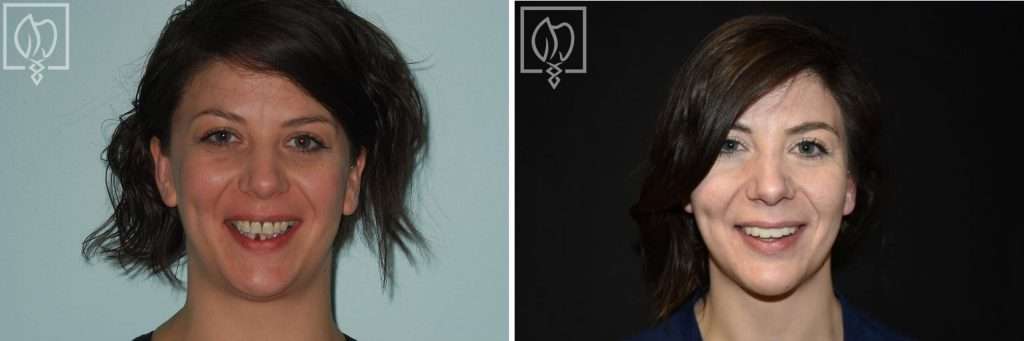
Salvaging Ms. N’s Severely Broken-Down Upper and Lower Teeth from Gum and Bone Disease
Many people in the U.S. suffer from extensive periodontal disease characterized by significant bone loss and shrinkage of the gum tissue. This condition can begin at a very young age and worsen quickly due to hereditary factors and lack of early diagnosis by their dentist.
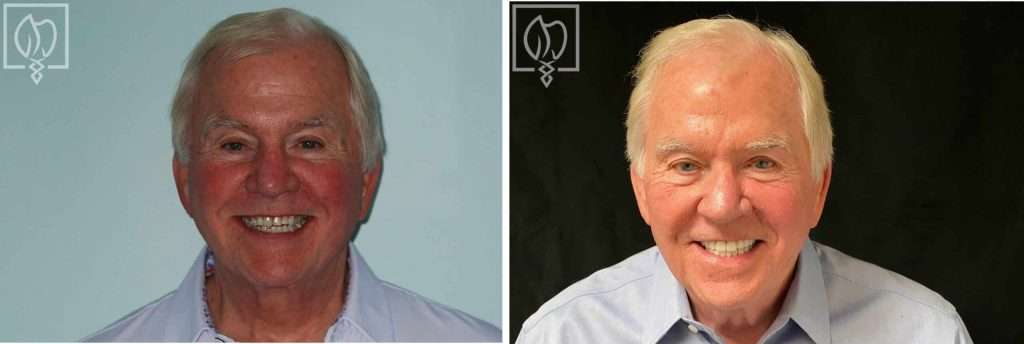
A Smile Transformation in Just Four Months: A Patient’s Dental Crown Restoration for a TV Series
A patient with dental crowns that were in poor shape was going to appear on a streaming video series on a major TV network that was scheduled to begin filming soon. Our patient, John, an author about to embark on a book tour, was anxious as his teeth were not up to his standards to appear on television.
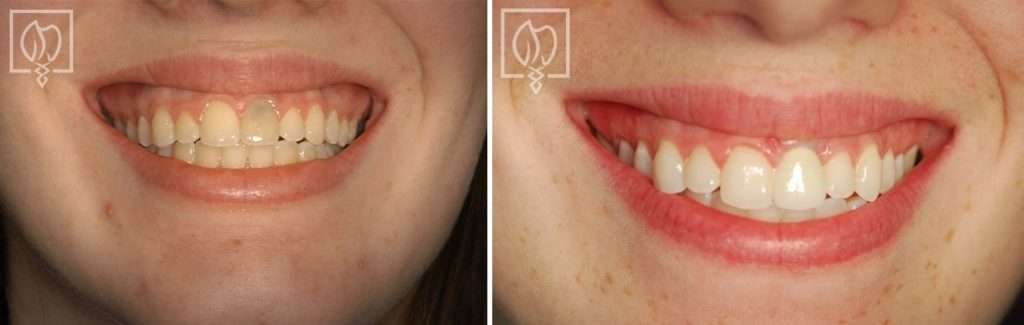
Replacing a Discolored Front Tooth with a Precision Placed Implant
Some of the most challenging restorations occur when fabricating an anterior crown to fit on an implant. Not only does one have the difficulty of matching the single front tooth to the other ones in the high visibility zone, but the dentist must also ensure the position of the underlying implant is precise through accurate preplanning and placement.
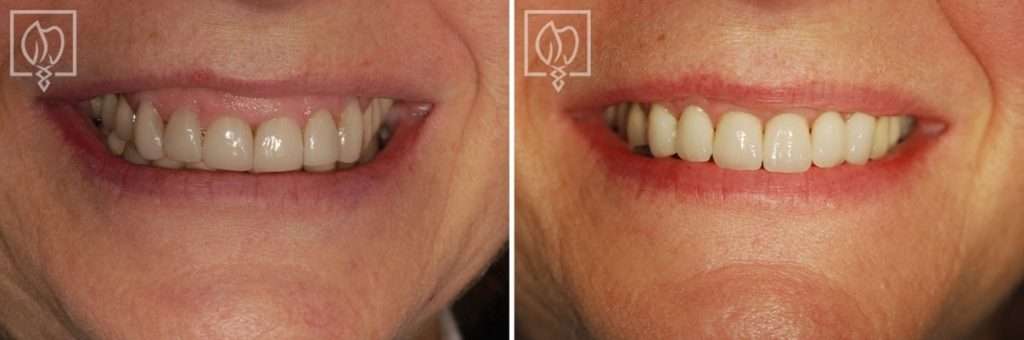
Patient Was Dissatisfied With Her 'Gummy' Smile
Excessive gingival tissue, commonly referred to as a "gummy smile," can significantly impact the appearance of a person's smile and their self-confidence. When someone smiles and a large amount of gum tissue is visible above the teeth, it can create the perception that the teeth are too small or short, even when they are actually normal size.
Ready to Transform Your Smile?
With 40+ years of experience and 3,900+ dental implants placed, Dr. Gerald Marlin delivers results that last. Schedule your consultation today.