
The Importance of Precision Implant Placement (PIP) using Guided Surgery (Part I)
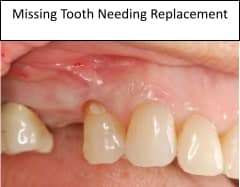
Missing tooth location requiring implant replacement
The Gold Standard of Implant Surgery
In our office, every dental implant surgery is performed using a CT scan generated surgical guide to precisely plan the future placement of the implant. With this technique, the implant is always centered inside the future overlying crown while considering any restricting bony angulations and undercuts and/or nerve and sinus locations.
This computer-guided approach transforms implant dentistry from an estimate-based procedure into a precise science. Before surgery ever begins, Dr. Marlin uses advanced imaging technology to map out every anatomical detail of your jaw. This allows him to identify the optimal location for implant placement while avoiding vital structures like nerves and sinuses. The result is safer surgery with more predictable, beautiful outcomes.
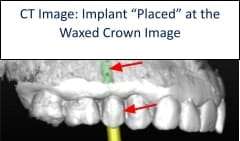
Ideal crown positioned in the implant space
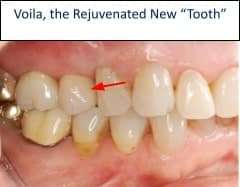
The process begins with our in-house technician waxing-up an ideal crown in the space. All of these steps dramatically improve the results and safety during the procedure. Precision implant placement results in a highly aesthetic abutment and crown that mimic the replaced tooth such that you do not even know that you actually have a replacement tooth. The result: aesthetic, function, and “0” bone loss over at least a 20-year period.
Why This Matters to You
Unfortunately, only 25% of implant surgeries are done using this “guided surgery,” while in our office we only use this “gold standard” of implant placement. When you choose guided surgery, you’re choosing decades of research and proven clinical outcomes. Your implant isn’t placed by guesswork, it’s positioned exactly where it needs to be for optimal function and appearance. This precision planning protects not just your implant, but your natural teeth and jaw bone as well. The comprehensive approach we take before the surgery even begins is what separates exceptional results from merely adequate ones.
CT scan surgical guide for precise implant placement
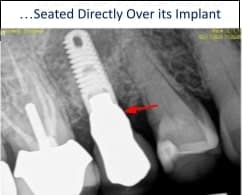
Final restored implant with natural-looking crown
Related Patient Success Stories
Explore similar patient success stories demonstrating our expertise in advanced prosthetic dentistry.

Temporary Crowns Restore Patient's Smile in Just One Day with an Immediate Smile Makeover
A patient from Potomac, Maryland, came to Elite Prosthetic Dentistry with the chief complaint of pain from a failing dental implant and its significant impact on her appearance.

Treating Kevin’s Collapsed Bite with a Complete Smile Makeover with New Dentures
Dentures are sometimes not created to the ideal aesthetic and functional scheme. When improperly fabricated, dentures can make an individual appear almost a generation older than their actual age. They can have a poor fit that feels loose and unstable when eating or speaking, and they can actually accelerate bone loss over time.
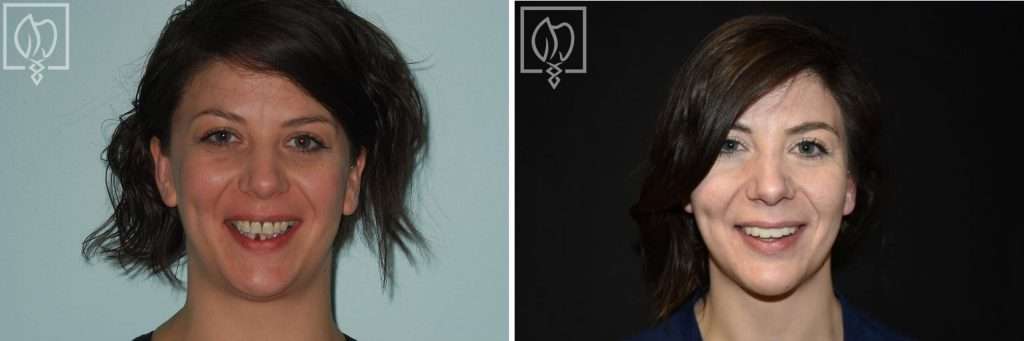
Salvaging Ms. N’s Severely Broken-Down Upper and Lower Teeth from Gum and Bone Disease
Many people in the U.S. suffer from extensive periodontal disease characterized by significant bone loss and shrinkage of the gum tissue. This condition can begin at a very young age and worsen quickly due to hereditary factors and lack of early diagnosis by their dentist.
Related Articles
Deepen your knowledge with additional insights on this topic.
 Bone Grafting & Surgical
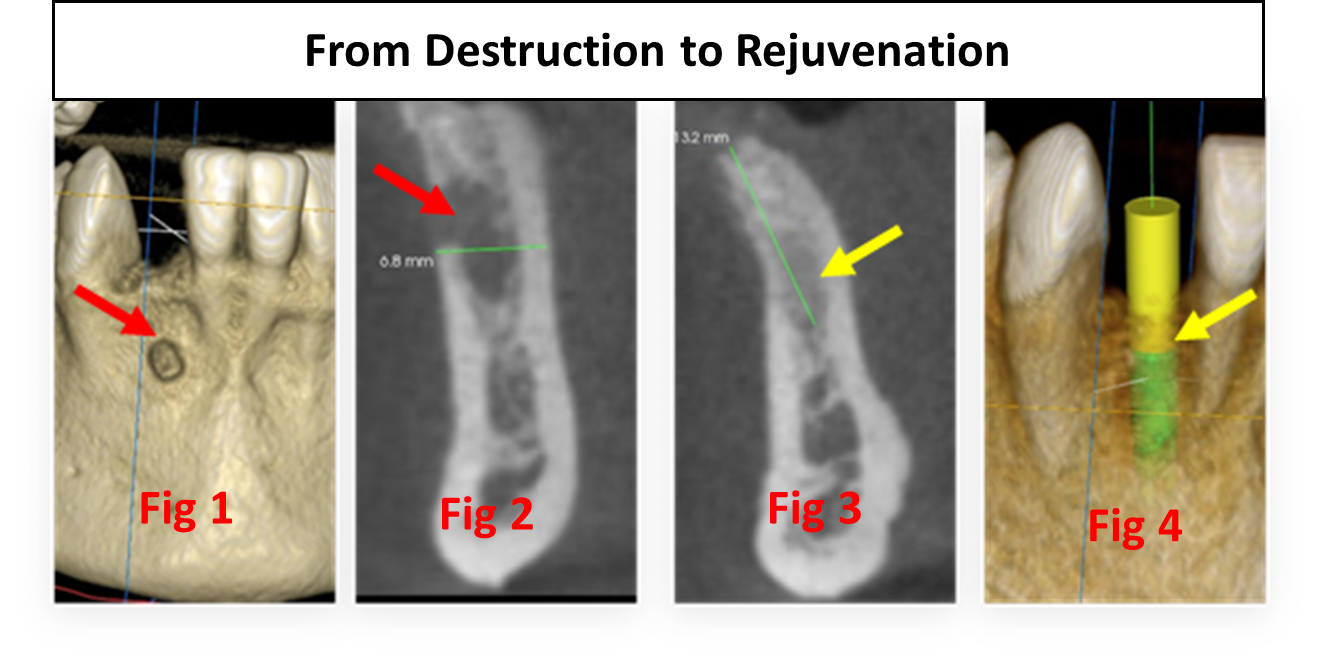
 Rejuvenating a Ruined Implant Site Having Severely Damaged Bone
Even after a failed implant and significant bone loss, it is often possible to rebuild the ridge and restore a healthy foundation for a new implant.
 Bone Grafting & Surgical
 What is 'Ridge Augmentation' - Bone Grafting
Ridge augmentation rebuilds jawbone lost after tooth extraction or injury, creating a stable foundation for dental implants in Washington, DC.
 Bone Grafting & Surgical
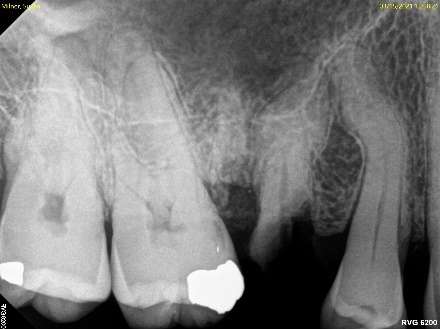
 What is a Partial (Internal) Sinus Lift?
Learn what a partial internal sinus lift is and how it gently raises the sinus membrane to create room for a dental implant. Washington, DC prosthodontist.