
5 Tips for Jaw Surgery Recovery

Orthognathic surgery, also known as “jaw surgery”, is used to correctly align an improper bite or jaw position. If you are thinking of undergoing jaw surgery, here are a few tips to help you with your recovery.
What to Expect After Treatment
- Get Plenty of Rest A key to helping your body recover is to rest as much as you can. Find things to keep you entertained as you take it easy such as coloring, reading, or a new TV show. Keeping yourself entertained will help the time to pass faster.
What to Expect After Treatment
- Stay on a Regular Schedule While resting is important, staying on a regular schedule will help you feel productive while you recover. As you begin to feel mobile, take short walks outside.
3.Apply Heat and Ice Applying heat and ice regularly will help to combat facial swelling and reduce your discomfort. You will be the most swollen during your first week of recovery. Keep an extra ice pack in the freezer so you always have one ready to go.
- Meal PreppingMeal prepping before your procedure will help you in the long run. During recovery, you may not feel like cooking. Having pre-planned meals will let you easily prepare nutritious meals with minimal effort. Some great meal ideas to prepare ahead of time are smoothies, soups and homemade juices.
What to Expect After Treatment
- Stay Hydrated Drinking enough water is important for allowing your body to heal and for avoiding dehydration. You might have to remind yourself to drink water so keep a water bottle handy and sip throughout the day
Corrective jaw surgery recovery can seem like a long process, but once your jaw has healed, you will have a more healthy, attractive and functional jaw. If you believe that you would be a good candidate for jaw surgery, contact our office for a consultation at 202-244-2101. Learn more about TMJ treatment options to understand the full range of solutions available.
Related Patient Success Stories
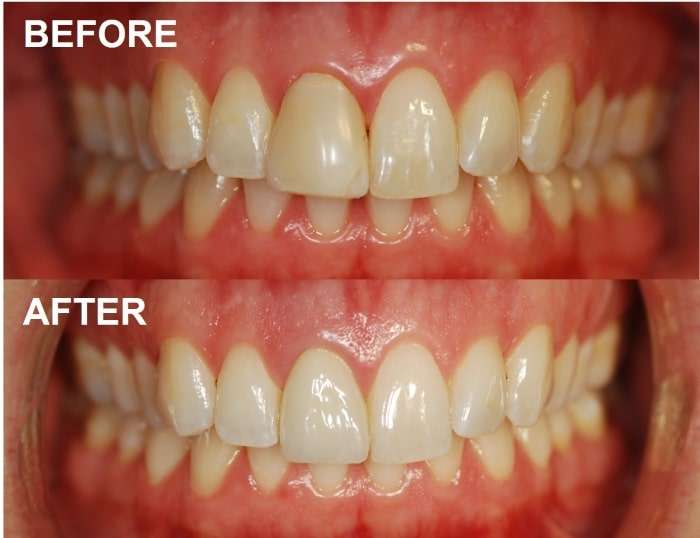
Explore similar patient success stories demonstrating our expertise in advanced prosthetic dentistry.
Related Articles
Deepen your knowledge with additional insights on this topic.
 TMJ & Jaw Pain
 Understanding the Benefits of Early Diagnosis & Treatment of Bruxism (Teeth Grinding) for Children
Bruxism is a dental condition that does not have a predilection for age - this condition can affect adults and children.
 TMJ & Jaw Pain
 Can TMJ Be the Cause of Migraine or Severe Headaches?
TMJ dysfunction can trigger migraines and chronic headaches. Learn how jaw joint disorders contribute to head pain and what treatment options exist.
TMJ: Symptoms, Causes, and Treatment
TMJ dysfunction causes jaw pain, headaches, and difficulty chewing. Understand the symptoms, root causes, and treatment options available to you.