

Blog - Washington, DC
Tips, Facts, And The
Latest In Dentistry

4 Foods That Cause Dental Emergencies
Posted in Emergency Care
Posted on November 3, 2017 by Dr. Gerald Marlin

Every day, we have patients visit our office for help with a dental emergency. A lot of these emergencies are caused by biting into foods that are too hard, resulting in a cracked tooth, loss of a filling or a broken dental crown.
To avoid a painful and inconvenient dental emergency, here are some foods you should avoid (or be extra cautions while eating):
Popcorn
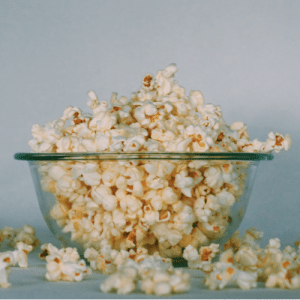
As delicious as this buttery snack may be, it’s not as innocent as it seems. The husks can get wedged between your teeth or underneath your gums causing a popcorn abscess. Be sure to floss after you eat popcorn to avoid that from happening. However, the true culprits here are the kernels. If you grab a large handful of popcorn and don’t know that a kernel is hiding in the middle, all it takes is one chomp down and oops! there goes your tooth! The next time you eat popcorn, chew slowly to avoid those kernels and enjoy the fluffy buttery goodness that is on top.
Almonds
You might be surprised by this fact: As nutritious as almonds can be, they also cause a lot of chips, fractures and cracks in teeth. Instead of eating the almond whole, try slivered or sliced versions, which make them softer and easier to chew.
Caramel Candies
Yes, this delicious and chewy candy seems harmless with its soft exterior, but it can cause issues with your teeth. When you chew down, the candies wedge between your teeth and pull out any loose dental work/restorations that you have had. Other candies that have the same sticky qualities are starburst and taffy. They might be hard to resist, but doing so is key to avoiding dental emergencies.
Ice Cubes
You might find this strange but many people love to chew on an ice cube on a hot day. But before you put an ice cube in your month, imagine chewing on a rock, which would basically have the same effect as ice. Ice is hard on enamel, and can easily crack and break teeth.
These are just a few kitchen items that you should avoid if you want to save your teeth. Some foods may be more tempting than others, but at the end of the day, one little snack isn’t worth a busted tooth!
If you experience a dental emergency, call our office at Prosthetic Dentistry of Washington D.C. Phone Number 202-244-2101to schedule an appointment.

Through this commitment, Dr. Marlin provides his patients with long-lasting (35 years vs. the national average of 7-10 years) aesthetic restorations so that they have virtually no future problems.
As such, he is a leading specialist in dental implants, cosmetic dentistry, sedation dentistry , and restorative dentistry in the Bethesda–Chevy Chase, Northern Virginia, and Washington DC Metro Area. He has inserted and restored over 3,600 dental implants.


