
10 Tips to Prevent Gum Disease
Gum disease is one of the most common chronic conditions in American adults, and one of the most preventable. It begins quietly, with plaque accumulating along the gumline, and in its early stage, gingivitis, it can still be reversed with proper care. Left alone, it advances into the bone that holds your teeth, and at that point treatment manages the damage rather than undoing it.
Here are ten habits that keep you on the right side of that line.
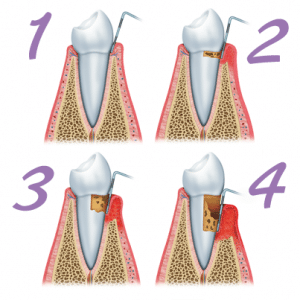
Keep the Gumline Clean
1. Brush twice a day, and brush the gumline. Plaque does its damage where tooth meets gum, so angle the bristles toward that junction and be thorough without scrubbing hard. Aggressive brushing wears enamel and gum tissue; consistent, gentle brushing wins.
2. Clean between your teeth daily. Floss reaches the tight spaces a toothbrush cannot. Interdental brushes and water flossers work well too, especially around dental work. What matters is disrupting plaque between the teeth every day before it organizes.
3. Use mouthwash as a supplement, not a substitute. An antiseptic rinse with the ADA Seal of Acceptance can reduce plaque bacteria, but it cannot remove established plaque. Rinsing supports brushing and flossing; it never replaces them.
Manage the Risk Factors
4. Keep sugar exposure infrequent. Every sugary snack or sip feeds the bacteria that inflame gum tissue. A balanced diet with sweets confined to mealtimes, rather than grazed throughout the day, gives your saliva time to recover between exposures.
5. If you smoke, make quitting a priority. Smoking is one of the strongest risk factors for gum disease. It reduces blood flow to the gums, masks the bleeding that would normally warn you, deepens periodontal pockets, and slows healing after treatment.
6. Review your medications. Many common prescriptions reduce saliva flow, and a dry mouth gives bacteria an easier foothold. Do not stop any medication on your own; talk with your physician, and tell us what you take so we can help you manage the side effects.
7. Expect hormonal changes to show up in your gums. Pregnancy, menopause, and other hormonal shifts can make gum tissue more reactive to plaque. During these periods, home care and professional cleanings matter even more. Our article on oral health and pregnancy covers this in detail.
8. Take stress seriously. Chronic stress measurably weakens your body’s ability to fight infection, including in the gums. Managing it is a legitimate part of preventing gum disease, not a soft suggestion.
Get Professional Eyes on the Problem
9. Keep regular cleanings and examinations. Once plaque calcifies into tartar, no home tool removes it. Professional cleanings clear it away, and a trained team spots early inflammation you cannot see or feel. Gum disease is usually silent until it is established, which makes these visits your early-warning system.
10. Fix the traps. Crowded teeth, tilted teeth, and worn or poorly contoured dental work create spaces that are nearly impossible to keep clean. Correcting hygiene traps, whether through alignment or properly shaped restorations, removes hiding places where disease starts.
Why Your Gums Are Worth the Effort
Everything in your mouth depends on the health of the gum and bone beneath it. Natural teeth loosen and fail when their foundation erodes, and the same is true of dentistry: crowns and bridges rely on healthy tissue at their margins, and dental implants can be lost to peri-implant infection, the implant version of gum disease. If you have invested in your smile, gum health is how you protect that investment. Our guides to daily gum care and common gum disease myths are good next steps.
If it has been a while since your last examination, or you have noticed bleeding, tenderness, or receding gums, call 202-244-2101 or request an appointment with Elite Prosthetic Dentistry in Friendship Heights, Washington, DC.
See How We Resolve These Problems
Our patient success stories show real cases and real results. Browse outcomes from a specialist prosthodontist with decades of experience and 3,900+ implants placed.
Key Takeaways
- ✓ Gum disease is driven by plaque left undisturbed at the gumline. Most prevention comes down to brushing, daily cleaning between teeth, and regular professional care.
- ✓ Early gingivitis can be reversed with proper care. Once infection advances into the supporting bone, damage is managed rather than undone.
- ✓ Smoking, frequent sugar exposure, dry mouth from medications, hormonal changes, and stress all tilt the mouth toward infection.
- ✓ Healthy gums protect more than teeth. Crowns, bridges, and dental implants all depend on the same foundation of gum and bone.
Frequently Asked Questions
Can gum disease be reversed?
Early gum disease, called gingivitis, can be reversed with thorough daily brushing and flossing plus a professional cleaning to remove hardened tartar. Once the infection advances to periodontitis and begins destroying bone, treatment can control it but cannot fully undo the damage, which is why early attention matters.
What is the single best way to prevent gum disease?
Consistency beats intensity. Brush twice a day with attention to the gumline, clean between your teeth once a day, and keep regular professional cleanings so plaque never matures into tartar. Everything else, from diet to quitting smoking, builds on that foundation.
Does gum disease affect dental implants and crowns?
Yes. The gum and bone around a dental implant can develop peri-implant disease, an infection similar to gum disease that can cost you the implant. Crowns and bridges also depend on healthy tissue at their margins. The same daily plaque control that protects natural teeth protects restorations.
Related Patient Success Stories
Explore similar patient success stories demonstrating our expertise in advanced prosthetic dentistry.
 Before
  After
After How Aging, Opaque Restorations Were Replaced with Customized Ceramic Restorations Designed for Long-Term Natural Esthetics
The existing restorations appeared opaque, worn, and unnatural over time, affecting both confidence and overall smile harmony.
 Before
  After
After How Older Implant Crowns Were Redesigned for a Better Bite and More Natural Appearance
The patient came in after years of living with implant-supported crowns placed more than twenty years earlier that no longer looked or functioned well. CBCT evaluation, reviewed with a radiologist colleague, showed the implants had been placed too far to the buccal in very thin bone and could not support a healthy long-term restoration.
 Before
  After
After How a Front Tooth Lost to Childhood Trauma Was Rebuilt with Bone Grafting and a Long-Lasting Implant
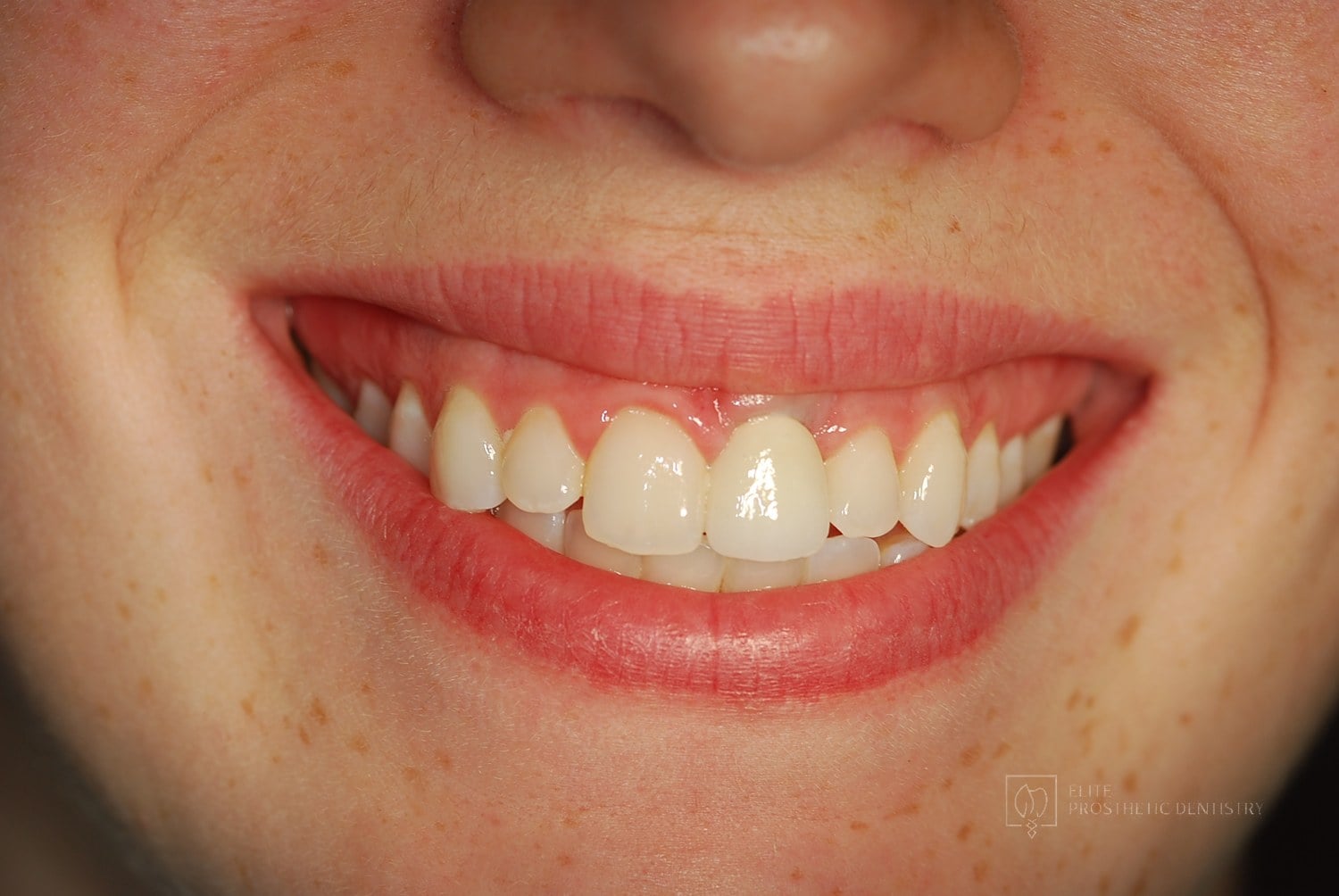
A teenager was referred by her father after earlier trauma left her upper left front tooth slowly failing from root resorption. She was still growing, so an immediate implant was the wrong move. The tooth had to be maintained to buy time, then replaced correctly once she reached skeletal maturity.
Related Articles
Deepen your knowledge with additional insights on this topic.
 Oral Health & Prevention
 Common Misconceptions About Gum (Periodontal) Disease: Myths vs. Facts
Bleeding gums are normal? Only older adults get gum disease? A DC prosthodontist corrects eight common myths about periodontal disease signs and treatment.
 Oral Health & Prevention
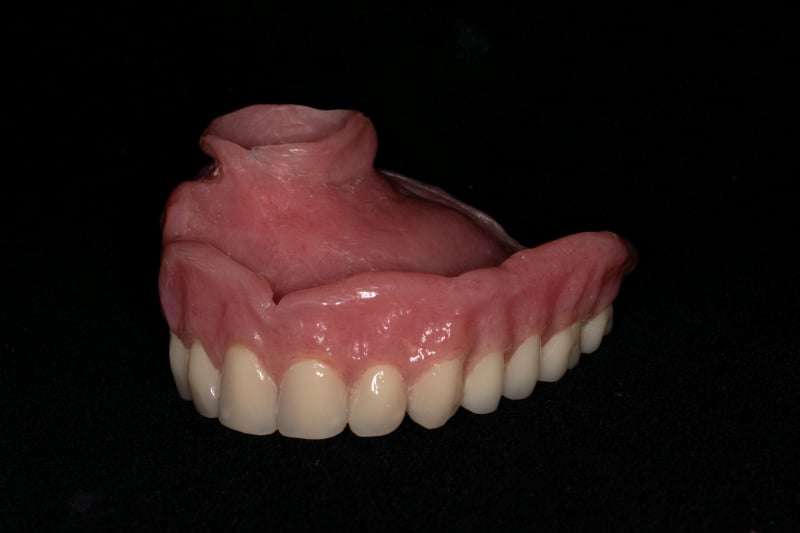
 Understanding Palatal Obturators for Openings in the Roof of the Mouth
A palatal obturator seals an opening in the roof of the mouth from cleft palate, surgery, or trauma. A DC prosthodontist explains how they work and their care.
 Oral Health & Prevention
 Dental Hygiene Care Is Not a 'One-Size-Fits-All' Process
The right hygiene routine depends on your gums, your risk factors, and your dental work. A DC prosthodontist explains why personalized hygiene care matters.